-

by
Cecilia Levine
Breaking News
Cardiothoracic surgeon Molly Schultheis has joined the Englewood Health Physician Network and Englewood Hospital. Schultheis has specific clinical interests in aortic aneurysm, coronary artery disease, endocarditis, heart valve disease and arrhythmias. She is skilled in video-assisted thoracic surgery (VATS), ventricular assist devices (VAD), extracorporeal membrane oxygenation (ECMO), ...
-

by
Charles J. Abate, MD, FCCP
Your Community
Do you find yourself struggling to keep your eyes open during the day? Perhaps you are already on your third or fourth cup of coffee for the day? According to the Centers for Disease Control and Prevention, a third of U.S. adults report that they do not get the recommended seven or more hours of sleep per night. If you are not getting an adequate amount of sleep each night, you are at ...
-
by
Yan Li, MD, FACC, Cardiologist
Your Community
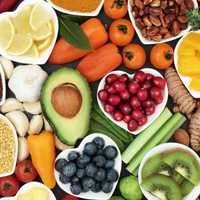
Eating right, exercising and not smoking are all the obvious lifestyle changes you can incorporate into your everyday routine to help lower your risk for heart disease. Still, there are a few other risk factors that are just as important, if not more so, than the lifestyle factors I mentioned above.The first is high cholesterol. Did you know that not all cases of high cholesterol are ...
-

by
Chelsea Hollander, DO
Your Community
Healthy eating can help lower your risk of certain medical conditions such as heart disease, stroke, diabetes and various types of cancers.Eat More Plant Foods. Plant foods such as vegetables, fruits, whole grains, legumes, nuts and seeds provide vitamins, minerals and other plant compounds that have cancer-protective effects. They also provide fiber, which protects against colorectal ...
-
by
St. John's Riverside Hospital
Your Community
Turmeric is a ginger-colored spice that’s been a part of Middle Eastern and East Asian cooking for centuries. The warm and flavorful bitter taste is frequently used in curry dishes. Turmeric however is also widely known for its health benefits and has garnered the attention of nutritionists and physicians worldwide. Curcumin, turmeric’s most active and healing compound, is a powerful ...
-

by
Daily Voice
Your Community
When you look down at your plate at meal times, do you see a variety of colors? If the answer is yes, then you're most likely eating nutritious food."All fruits and vegetables contain healthy fiber and natural chemicals known as phytonutrients that can help protect against heart disease, cancer and age-related cognitive decline, cataracts and macular degeneration," said Janet ...
-
by
John Haffey
Your Community
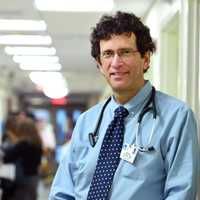
RIDGEWOOD, N.J. -- Did you know that heart disease is the number one killer of men and women in the United States? According to the American Heart Association, a heart attack strikes someone in the U.S. about every 43 seconds. “Although these statistics are worrisome, you can help to protect yourself by knowing your risk for a heart attack and the signs and symptoms to look for,” said ...
-

by
A. Garvey Rene, MD, FACC
Your Community
WESTCHESTER COUNTY, N.Y. -- “Don’t go ‘nuclear’” might be a warning to someone who is highly stressed and overreacting to a situation, but when it comes to testing the impact of stress activity on the heart, “nuclear” may be just what the doctor ordered.That’s because use of nuclear material, radioactive isotopes that act as a “dye,” can give physicians more accurate information about ...
-
by
Yan Li, MD, FACC
Your Community
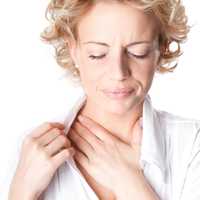
SLEEPY HOLLOW, N.Y. -- Heart disease can manifest in many different ways. Most people are familiar with the description of an “elephant sitting on the chest” as a sign of angina and possible heart attack. Unfortunately, that is only one of many symptoms that can come with heart disease. Knowing some of the unusual symptoms, and, more importantly, “trusting your gut” and seeking help ...


